
January 27, 2026 – 15:00 GMT
POSTPONED – New Date TBD
Title:
Reflexive Governance and Coastal Resilience: Analyzing Stakeholder Engagement in Suriname’s Mangrove Policy Regimes
Speaker:
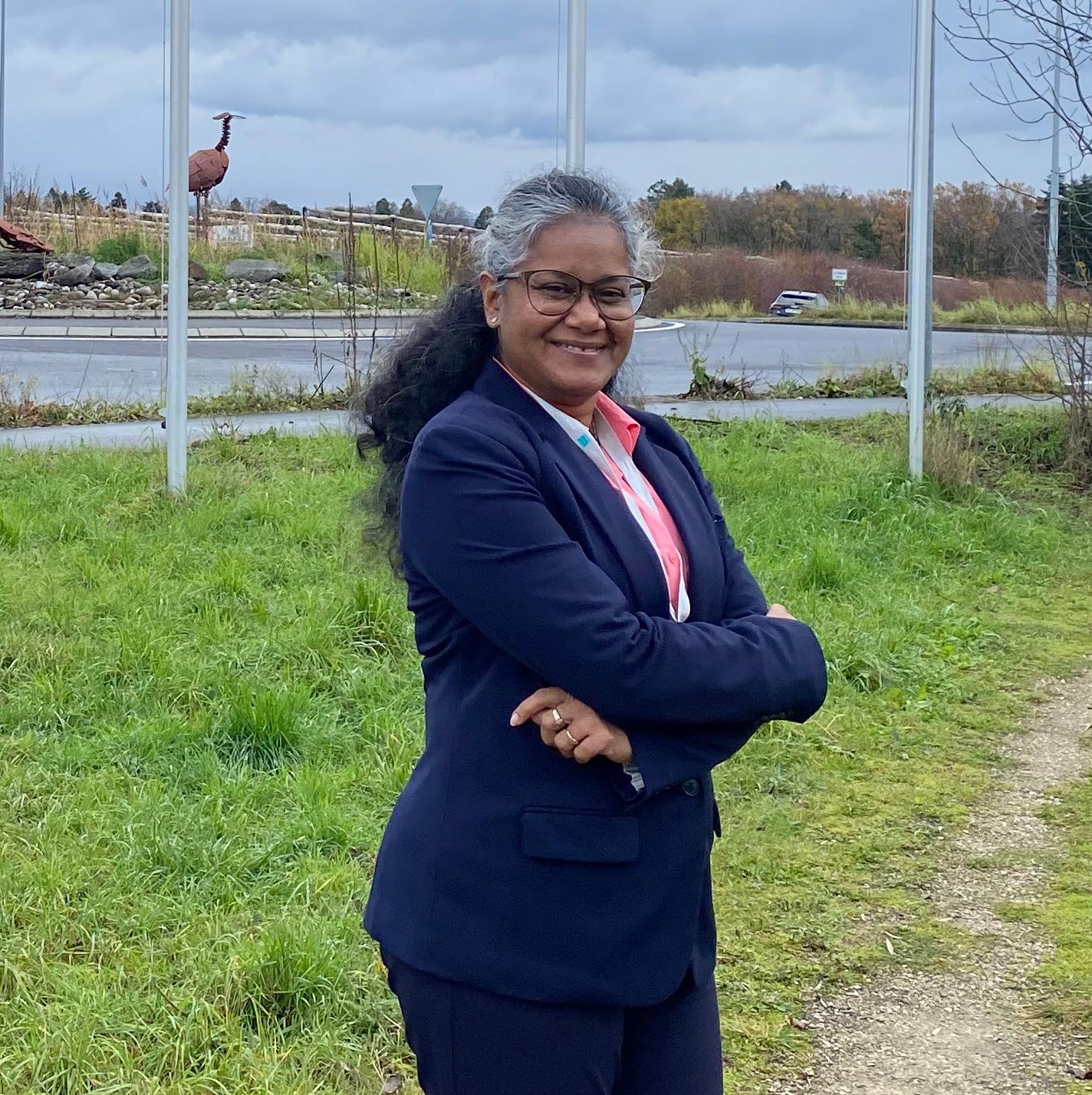
Ms. Gaitrie Usha Satnarain
Head, Dept. of Sustainable Management of Natural Resources
Faculty of Technological Sciences
Anton de Kom University of Suriname
Paramaribo, Suriname
Abstract:
This presentation explores how reflexive governance takes shape within Suriname’s mangrove conservation efforts by comparing two policy arrangements: the state-led National Adaptation Plan (NAP) and the non-state-driven National Mangrove Strategy (NMS). Reflexive governance highlights the importance of participation, openness, and transparency for responsive and inclusive environmental decision-making, yet it is not always evident how these principles are translated into practice within Suriname’s policy landscape or how they influence stakeholder involvement in mangrove management.
Using qualitative content analysis, the study examines how each arrangement facilitates participation and how this participation is influenced by the level of openness and transparency. The assessment draws on three core variables, participation, openness, and transparency, to evaluate the degree of reflexivity embedded in the two frameworks. The comparison shows clear differences between the state and non-state approaches: although both emphasize the value of participatory processes, differences in institutional openness and transparency play a substantial role in shaping the depth and inclusiveness of stakeholder engagement.
The results indicate that reflexive governance relies not only on formally stated participatory intentions, but also on the extent to which governance practices remain transparent, open, and capable of learning and adapting. This study contributes to understanding the institutional preconditions for reflexive governance and provides insights for strengthening participatory decision-making in mangrove conservation and climate adaptation policy in Suriname.